The datasheet describes the product, and the stove manual specifies the requirements of a specific device. Both sources are needed for the repair. High temperature in the name does not confirm that the material is suitable for any joint in a device operating below this value.
Identify the function of the repair location
Record the stove model, the element, and the connection function. Determine whether it concerns a thin brick joint, board fixing, or a flexible detail. Add substrates and the required dimensions to compare the specific arrangement with the product documentation.
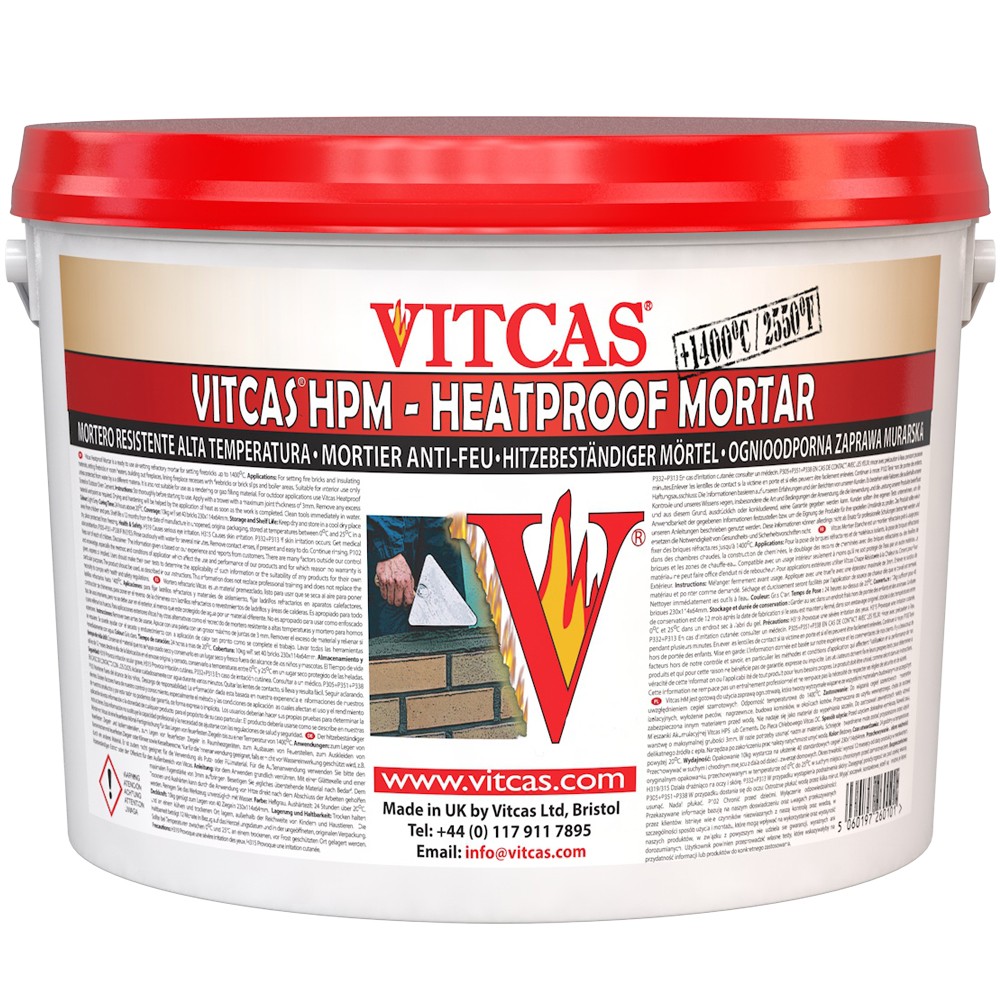
HPM Heatproof Mortar is described for appropriate thin refractory joints. Its scope does not automatically cover every wide gap. Also, check on-site conditions, as the product has limitations regarding weather exposure.
Compare more than just the temperature
HB60 has specific applications in compatible board and substrate joints. The device instructions may include requirements concerning mounting, weight, or required clearances. The adhesive does not remove these conditions by virtue of temperature resistance alone.
Heat Resistant Silicone is used for other, described flexible connections. Do not treat it as a substitute for any mortar just because it is conveniently applied from a cartridge. Check the geometry, material contact, and expected movement of the connection.
Arrange a common work sequence
Coordinate preparation of the substrate, application, curing, drying, and the required return to use. If the data remains unclear or contradictory, clarify the specific detail before purchase. Do not automatically choose requirements that allow for a shorter downtime of the equipment.
Keep current data sheets, instructions, and packaging markings. In the repair note, indicate which conditions were applied at a given location. For future product or stove changes, this record will allow checking compliance from the start, instead of assuming it based on similarity of names and material appearance.