A crack next to the fireplace and damage inside the insert may look similar in a detail photo but require different assessment. Start the repair by identifying the location in the entire device. The word 'fireplace' does not yet define the substrate or the connection function to be restored.
Determine the boundary of the device and enclosure
Record the insert model, enclosure cross-section, and trace location. Examine the surface when cold and compare it with previous photos. Check whether the change concerns the finish, the board beneath it, or the device element itself.
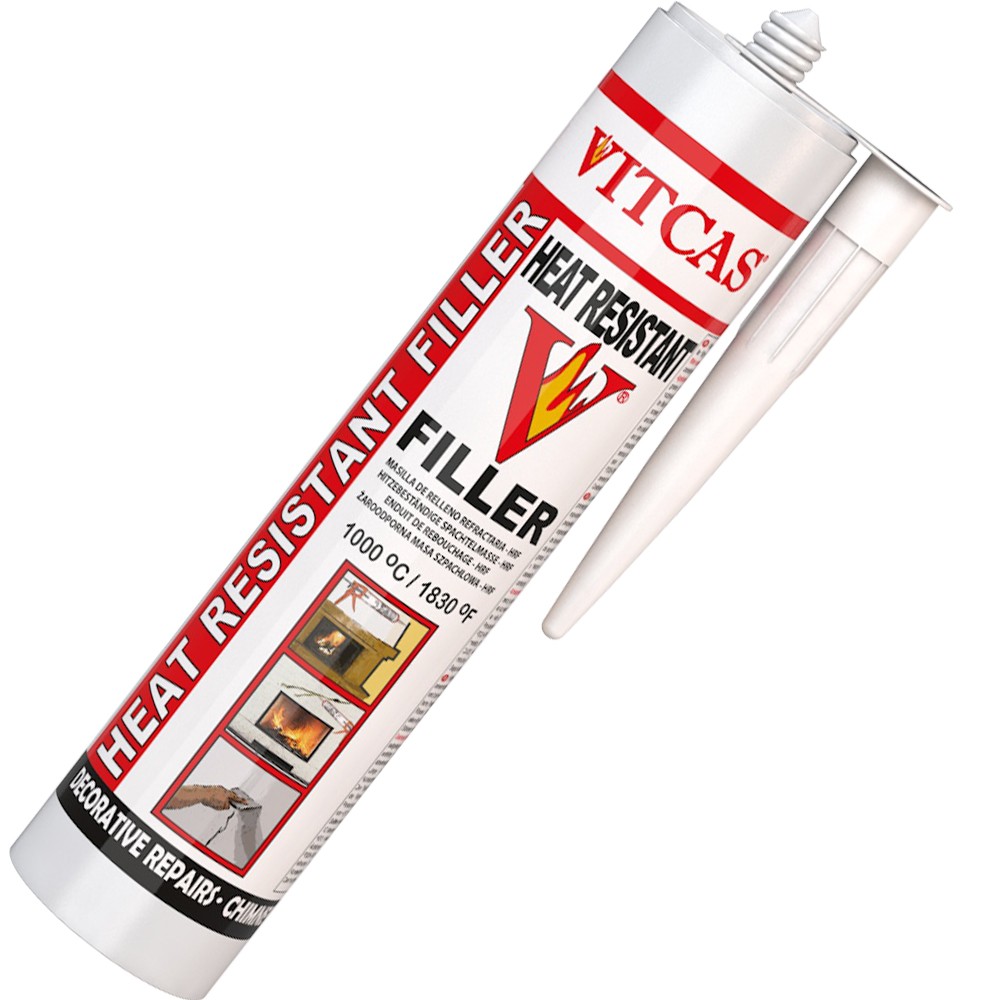
Heat Resistant Filler has a range of minor defects and compatible finishing connections. Heat Resistant Plaster creates a smooth layer on the indicated substrates. The selection of these products does not automatically imply the repair of the internal part of the insert.
The interior requires data of a specific part
Premium Fire Cement is described for certain minor refractory indoor repairs. The application must correspond to the substrate, geometry, and device documentation. The compound does not restore any mechanical damage, metal part, or missing support.
Vermiculite Fire Board can be considered as compatible insulating material. When replacing the panel, the format, thickness, and fitting intended for the insert are required. The board's resistance alone does not confirm a substitute for every component of the fireplace.
Plan the order of work and inspections
Separate the preparation of the enclosure layers from the operation of the device. Maintain the required access, bonding, and drying of products before further use. If a mark results from the movement of parts, first identify the cause instead of ending the plan with a new finish.
Record the completed scope, materials, and areas requiring further assessment. After the planned start-up, compare the state when cold. Clear separation of tasks facilitates later diagnosis and does not attribute a minor decorative adjustment to confirmation of the entire technical condition of the insert.